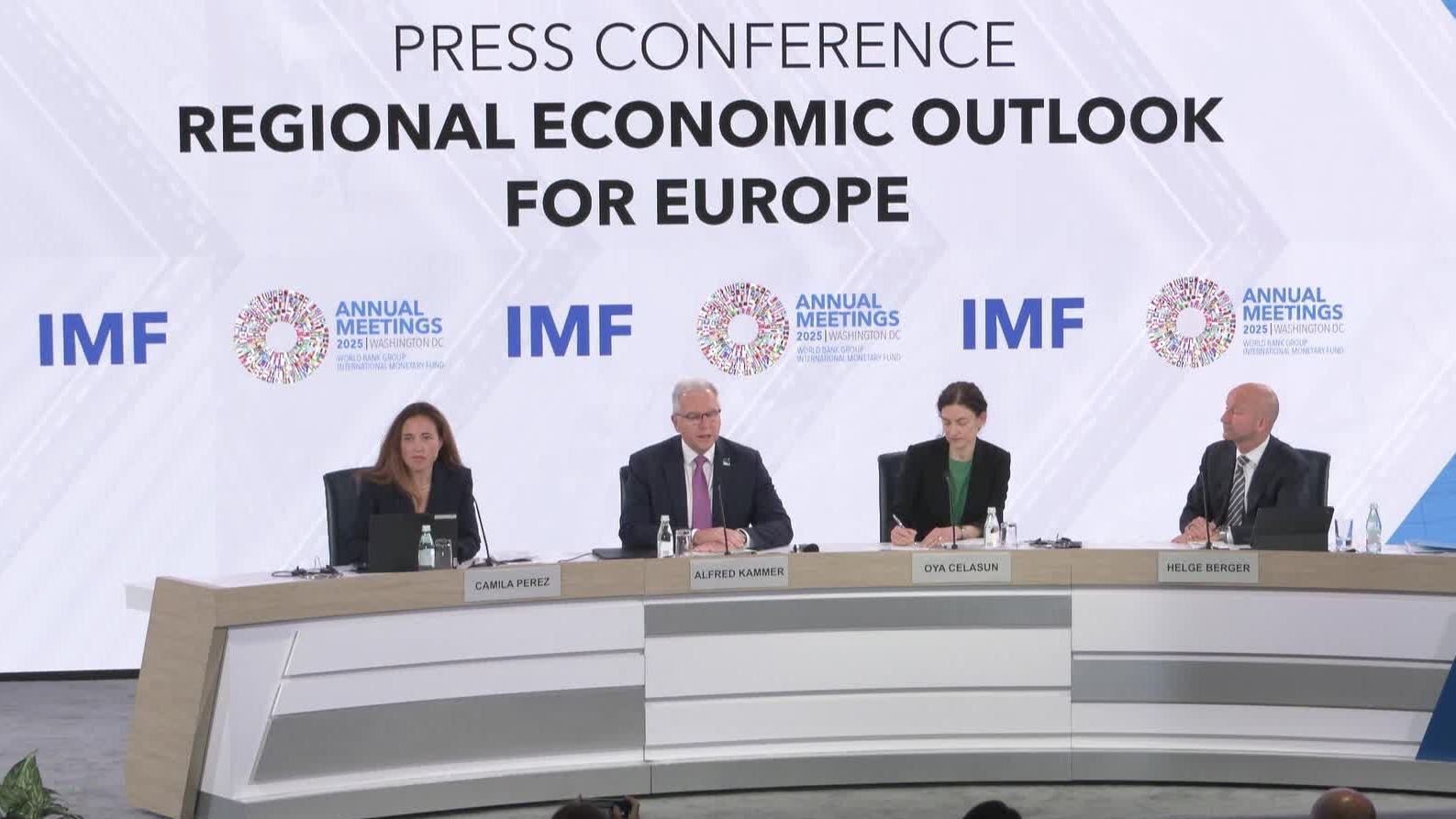
Europe is drifting toward a prolonged period of weak growth unless governments accelerate long-discussed reforms to strengthen productivity and integrate markets, the International Monetary Fund has warned in its latest Regional Economic Outlook for Europe.
The Fund delivers a direct assessment of the situation. The European Union is failing to convert its industrial base, innovation capacity and large savings pool into stronger economic performance. At the same time, the region faces rising public debt, ageing populations and structural rigidities that are steadily eroding competitiveness.
Weak Growth and Increasing Fiscal Strain
Growth across the EU reached only 1.0 percent in 2024 and is expected to rise to just 1.5 percent in 2026. These figures fall short of what is needed to support the region’s fiscal and demographic trajectory. Public debt in the euro area is projected to increase from 87 percent of GDP in 2024 to 92 percent by 2030 as higher interest costs, expanding healthcare needs and larger pension burdens take hold.
In recent years, Europe has relied heavily on monetary and fiscal cushions that softened economic shocks. The IMF warns that these cushions are no longer enough. With fewer tools available, long-standing structural weaknesses are becoming more visible.
Fragmentation Inside the Single Market
Despite decades of integration, significant barriers still restrict the movement of goods, services and capital within the EU. The IMF estimates that regulatory and administrative differences have the economic effect of a 44 percent tariff on goods exchanged inside the bloc. For services, the impact is comparable to a 110 percent tariff.
These frictions reduce productivity, limit investment and prevent European firms from scaling across borders. Energy markets remain fragmented, which keeps electricity costs elevated. Labor mobility is constrained by differences in tax systems, pension rules and professional certification. Varying insolvency regimes add further uncertainty for investors and entrepreneurs.
A Reform Package That Could Shift the Outlook
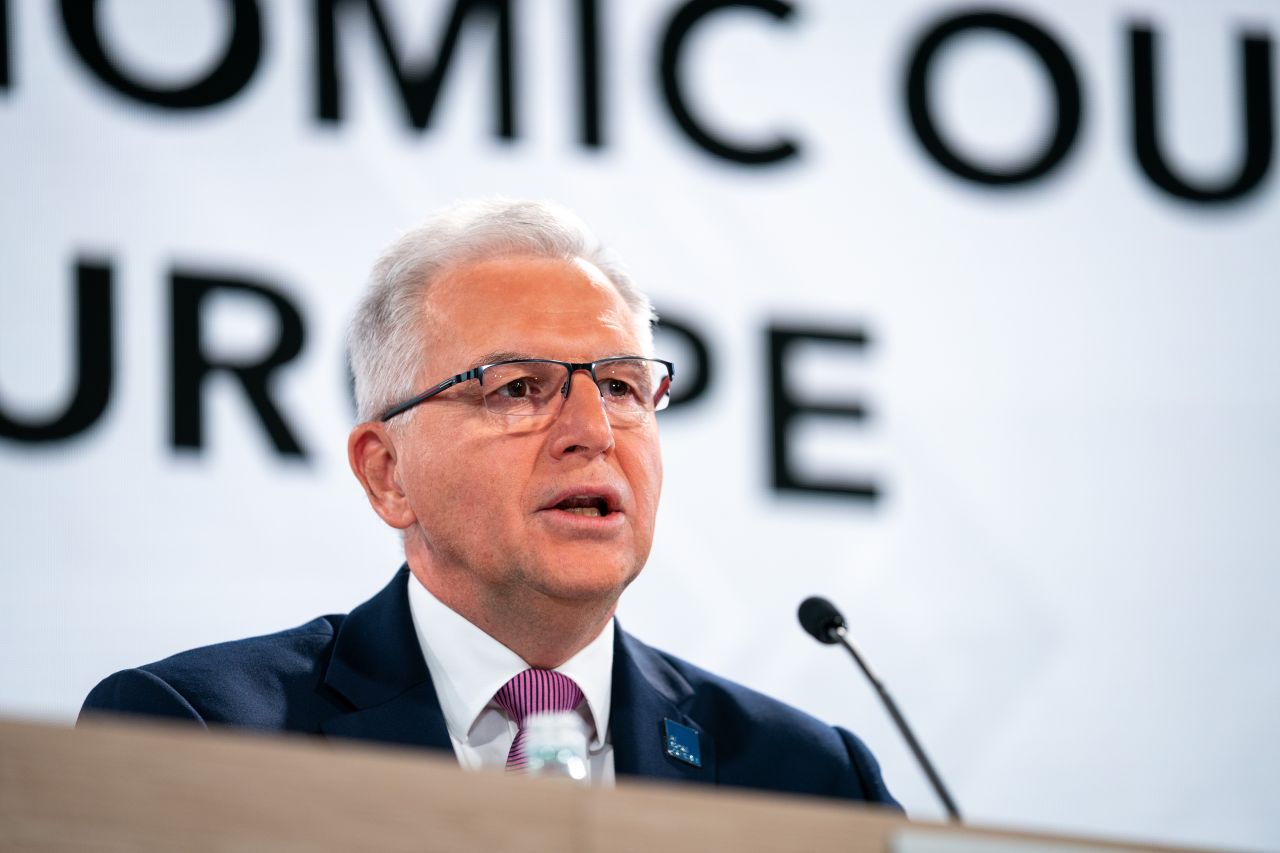
The IMF argues that a focused set of reforms, described as a necessary down payment, could lift the region’s GDP by about 3 percent over the next decade. The Fund highlights several priorities. These include deeper integration of energy markets to bring down electricity prices, more consistent labor rules to improve mobility and harmonized insolvency standards that would support entrepreneurship and investment.
Europe also holds a large reservoir of domestic savings. The Fund notes that roughly 10 trillion euros in pension and insurance assets remain in low-yield accounts. Redirecting even part of this capital toward higher-return investments, especially in innovation and climate-related technologies, could significantly improve productivity. A more unified savings and investment framework would help move capital toward sectors with stronger long-term value.
Implications for Businesses and Investors
For global companies, Europe still offers substantial opportunity. The environment that emerges in the coming years will depend on the pace and seriousness of reform. Firms that anticipate improvements in energy integration, labor mobility and capital-market development may benefit from early positioning.
However, the risks are considerable. If reforms stall, Europe could face a sustained period of weak productivity and low investment. Rising debt and policy uncertainty would add further pressure, potentially undermining business confidence and long-term planning.
Europe’s Moment of Decision

The IMF notes that Europe has the core assets needed for success. These include an advanced manufacturing base, world-class research and strong regulatory institutions. The region’s challenge is one of alignment. Without a coordinated effort to integrate markets and streamline regulation, Europe will struggle to compete with faster-moving global rivals that are investing more aggressively in technology and innovation.
The next phase will test the political will of European leaders. The region has shown resilience in times of crisis. The question now is whether it can convert resilience into long-term dynamism. The decisions made today will determine Europe’s economic position in the decade ahead.



.JPG)